






New In - Pichwai Paintings
Pichwai paintings are a traditional form of devotional art that originated over 400 years ago in Nathdwara, Rajasthan. Created primarily to adorn the walls of temples dedicated to Shrinathji (a form of Lord Krishna), these intricate artworks were designed as backdrops behind the deity, changing with seasons, festivals, and rituals.
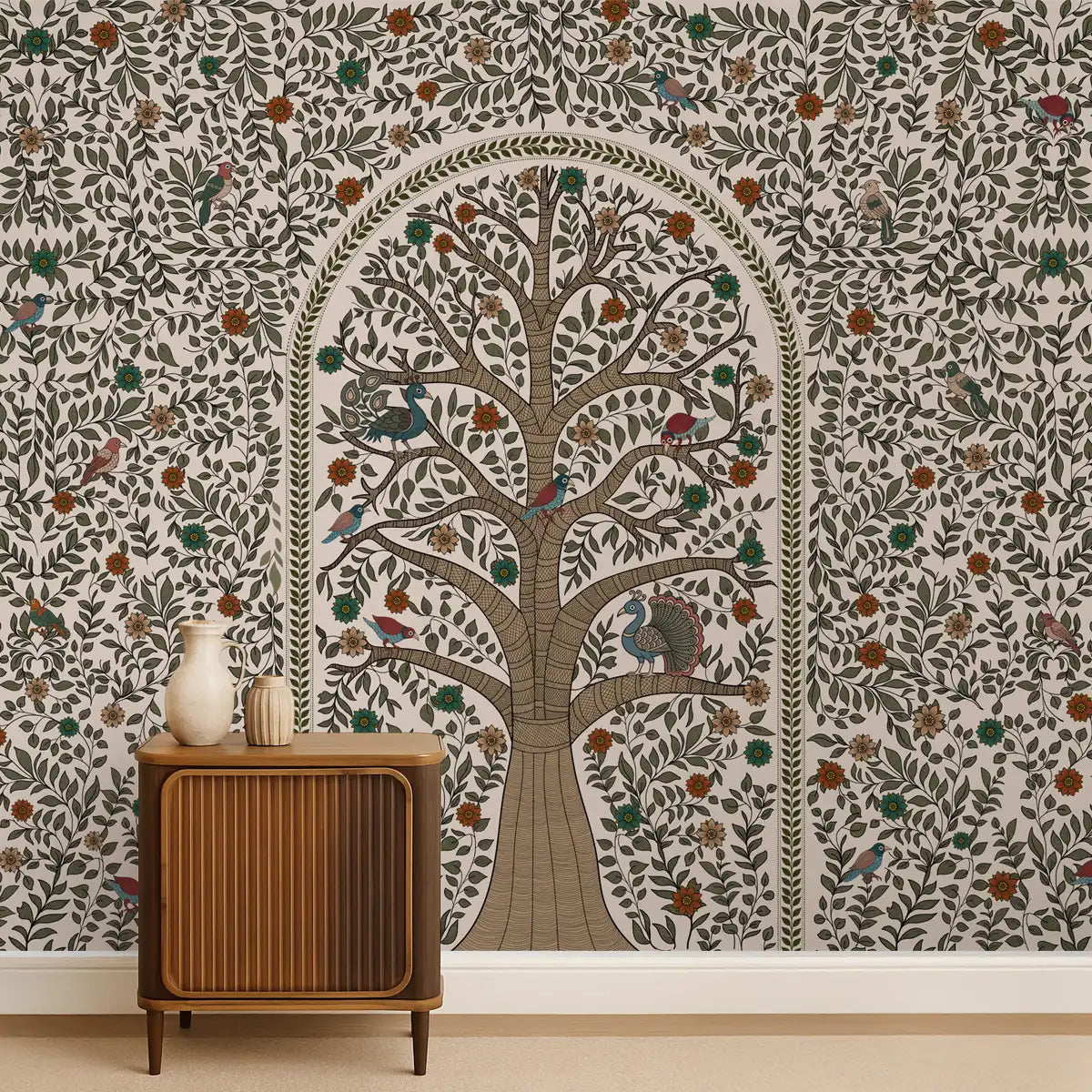
The word Pichwai comes from the Sanskrit words pichh (back) and wai (hanging), meaning “that which hangs at the back.” Traditionally hand-painted on cloth using natural pigments, Pichwai paintings are known for their detailed ornamentation, rich colour palettes, and symbolic motifs such as lotuses, cows, peacocks, and divine raas scenes.
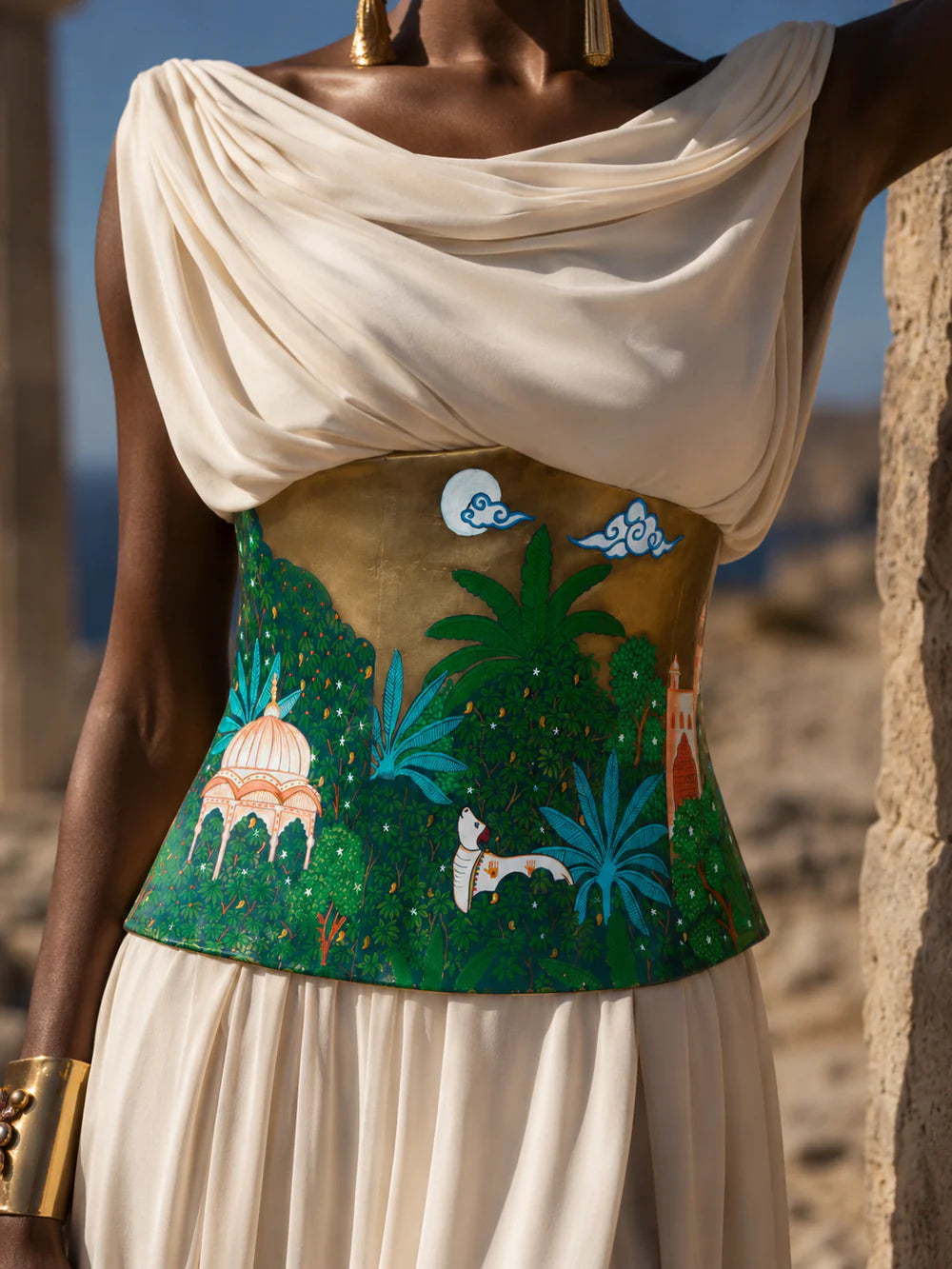
Every Pichwai tells a story — of devotion, celebration, and spiritual connection. Whether depicting Shrinathji in monsoon splendor, under moonlit skies, or amidst blooming lotuses, these paintings embody grace, heritage, and sacred artistry. Today, Pichwai art continues to be cherished not only in temples but also in homes and galleries, admired for its cultural depth and timeless elegance.