







STORIES
A journal of heritage, craft, and culture - the inspirations behind Brahm.
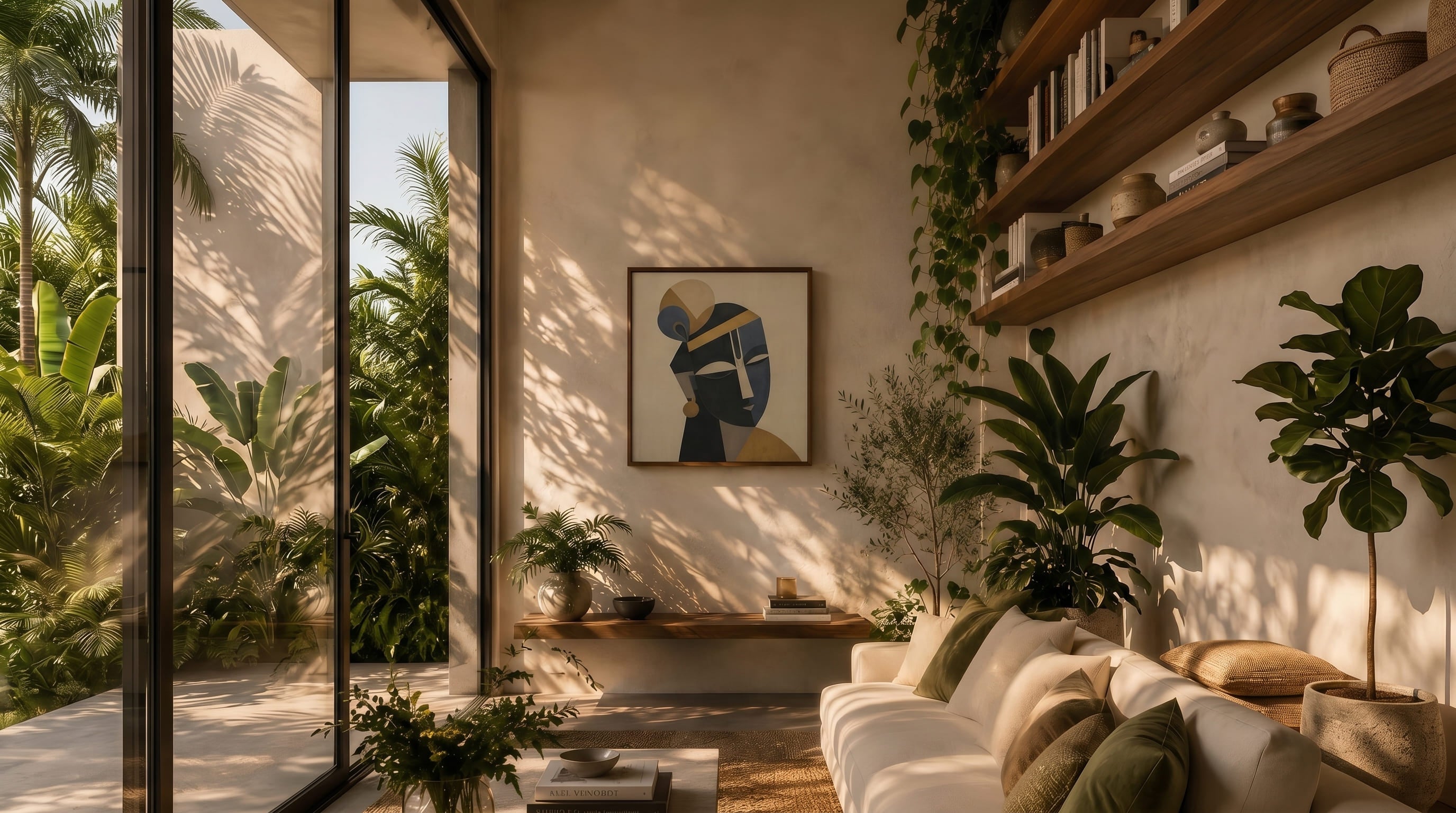
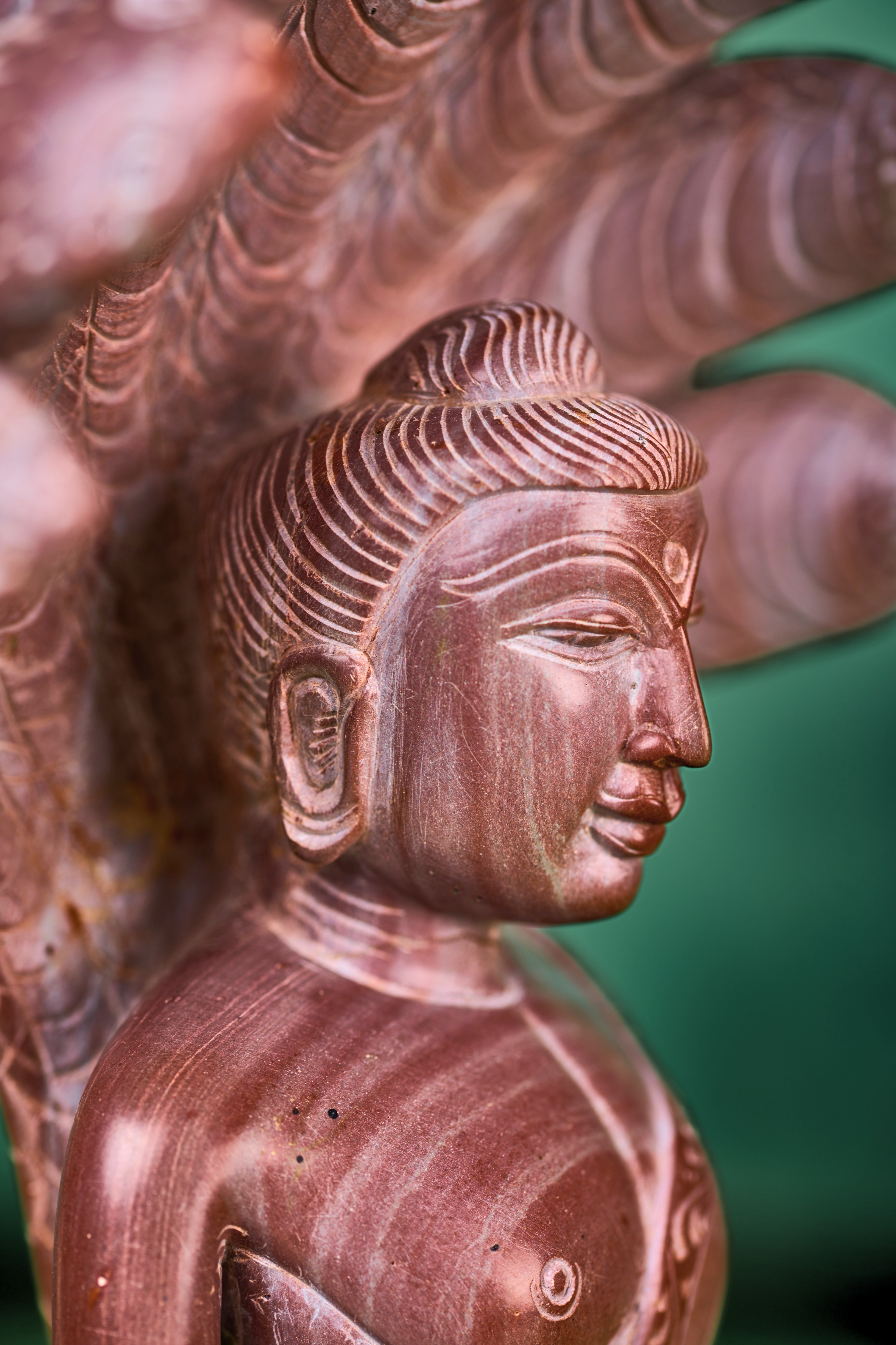
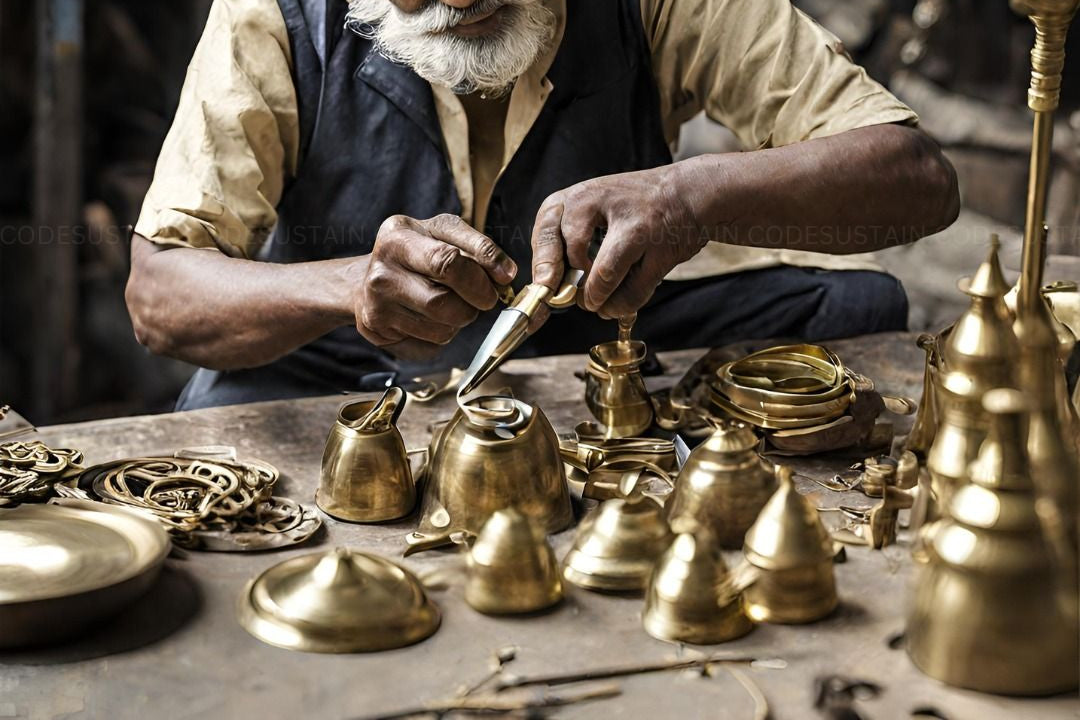
Our Best Sellers: Indian Wall Art and Brass Sculptures
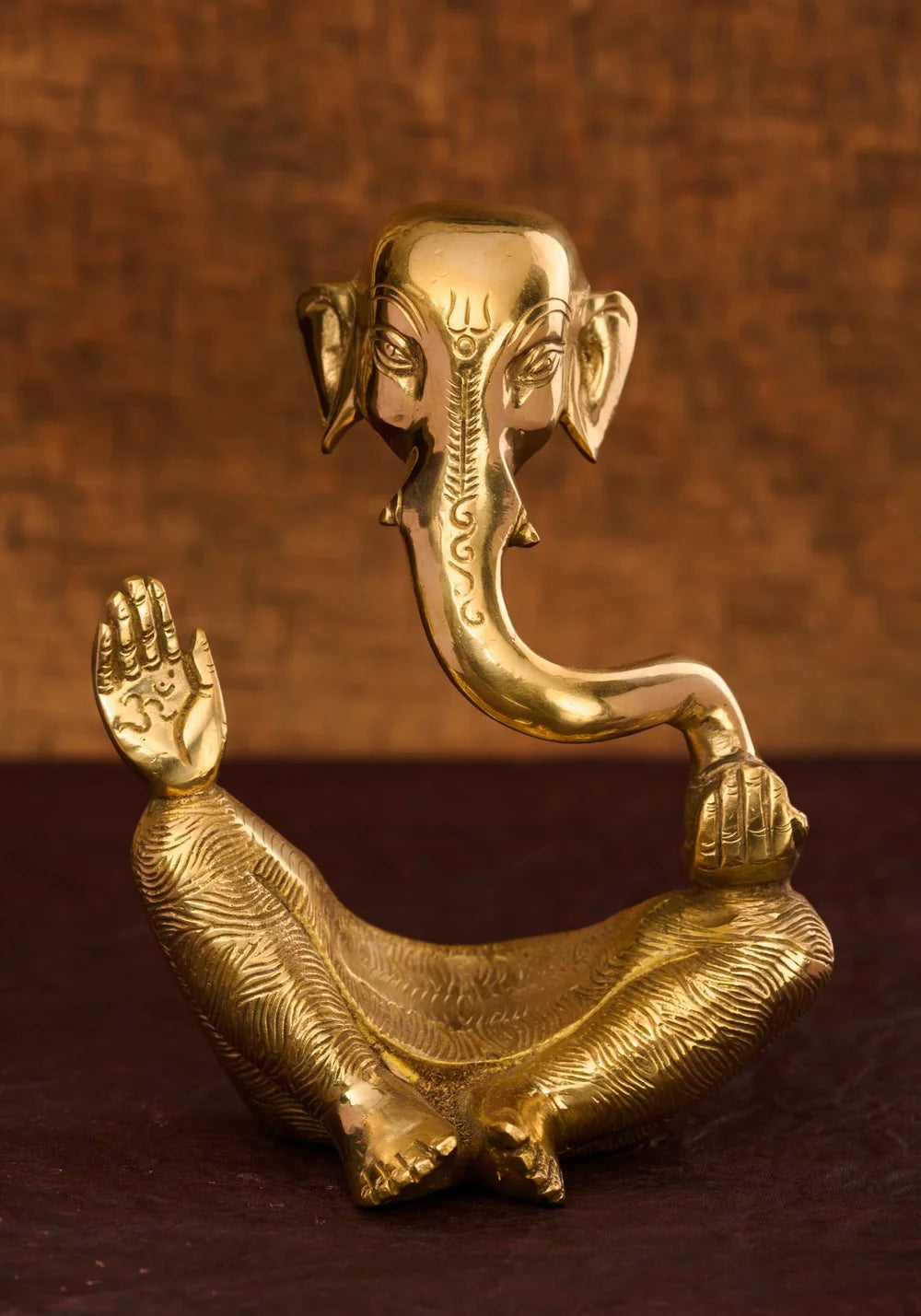
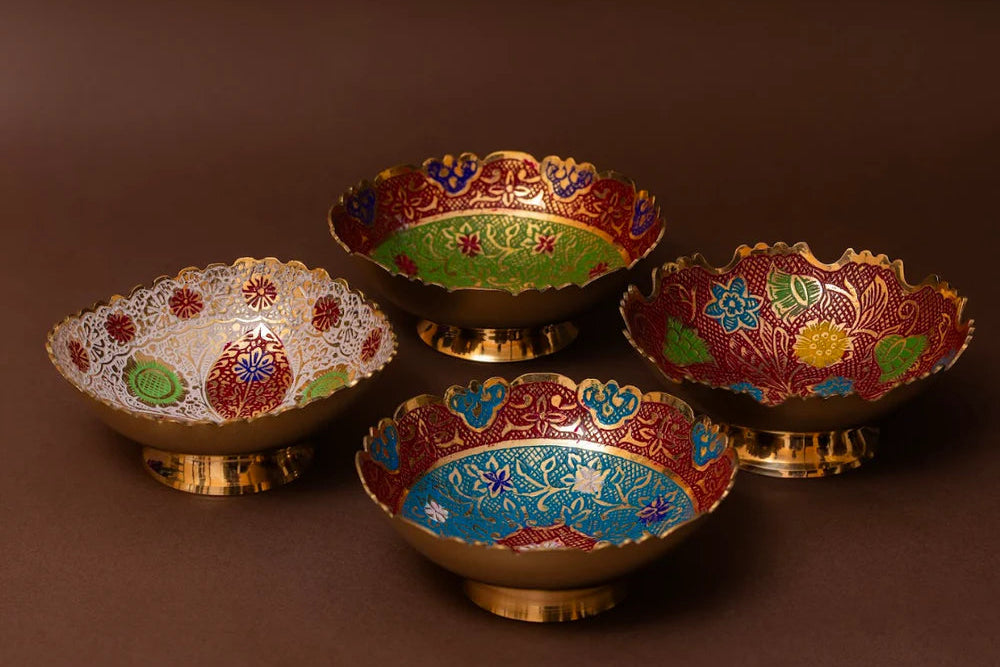
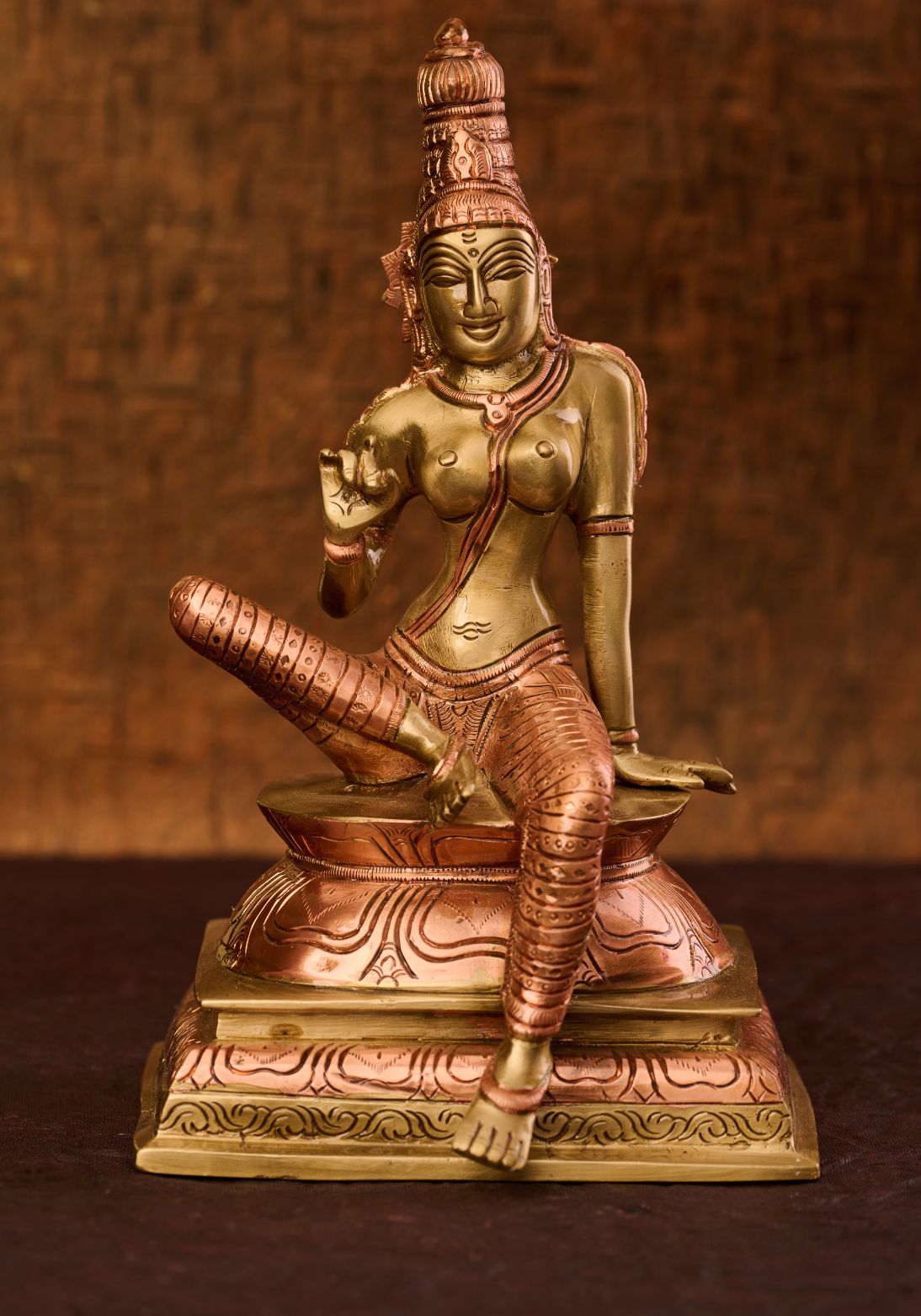
BRAHM's best-selling Indian wall art and handcrafted brass — the pieces collectors keep buying, and why. From gold-foil Pichwai to a brass Ganesh that works in any room.
Read more
India's Golden Age is Here. Buy Accordingly.
India’s T20 victory signals more than sport. A new cultural golden age is underway — and BRAHM is bringing India’s finest crafts to the world.
Read more
Sacred Indian Jewelry, Without Translation A red carpet...
Read more
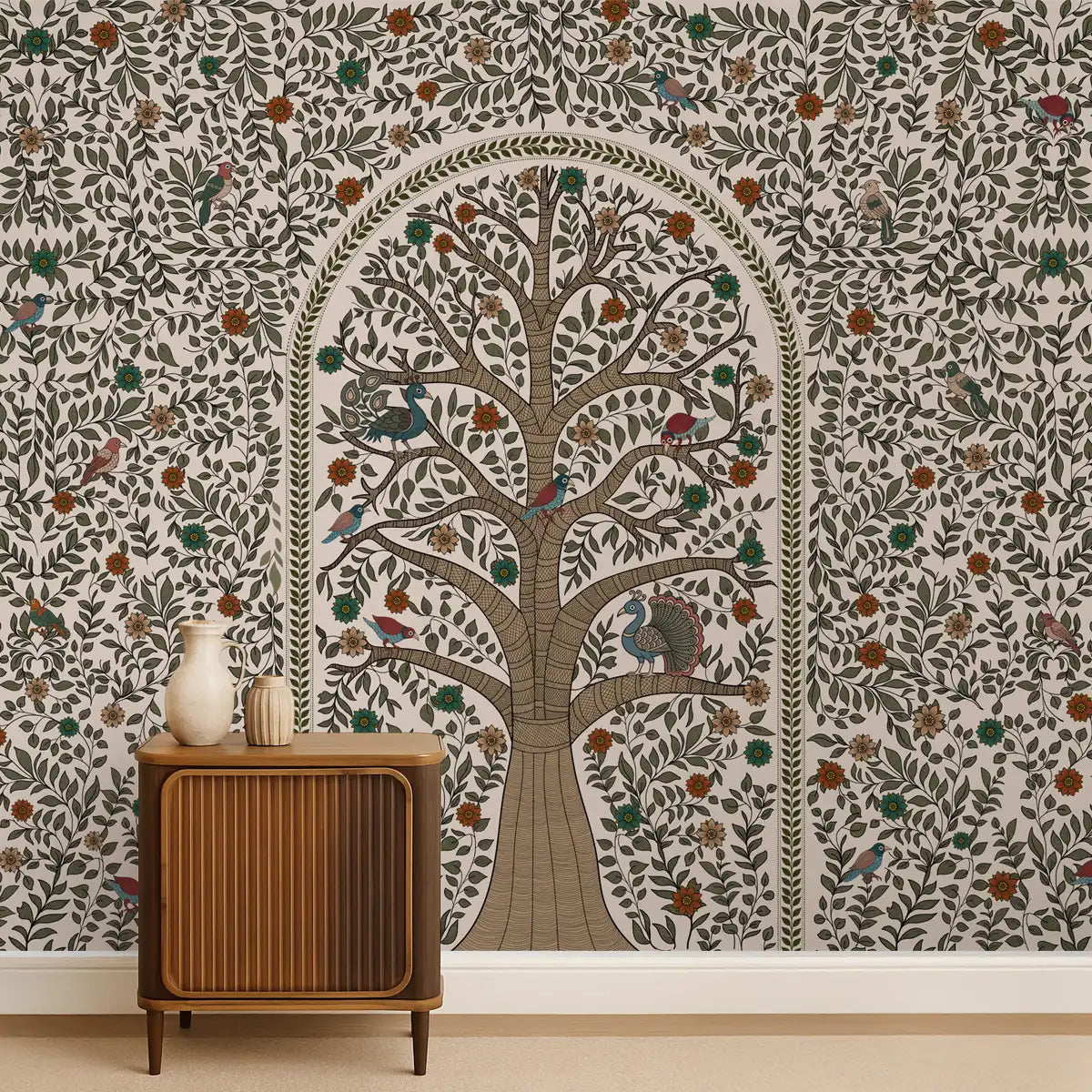
Indian Wallpaper in Modern Homes: From Courtyards to Apartments
Indian design traditions were shaped less by fixed room functions and more by how people moved through space. Homes were organised around circulation, social ...
Read more
Indian Wall Decoration Traditions : Fresco, Pigment, Pattern
Walls have rarely been neutral in Indian visual culture. In places where seasonal light shifts dramatically and thresholds are constantly crossed, walls become surfaces of memory, meaning and movem...
Read more
Indian Wallpaper Design Differences Explained
Indian wallpaper feels distinct not because of ornament, but because of how pattern, scale, symbolism, and color evolved in relation to space, climate, and daily life. This editorial explores the d...
Read more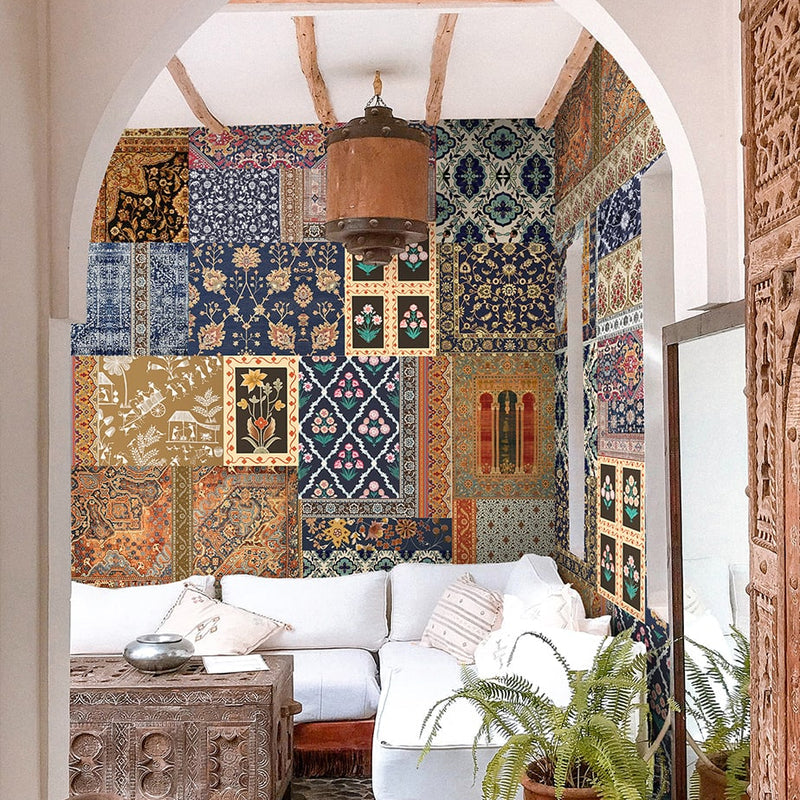
Indian Wallpaper: A Considered Guide for Contemporary Homes
Indian wallpaper tends to arrive in Western interiors with baggage. Assumptions come pre-packed: excess, ornament, colour for colour’s sake, pattern as specta...
Read more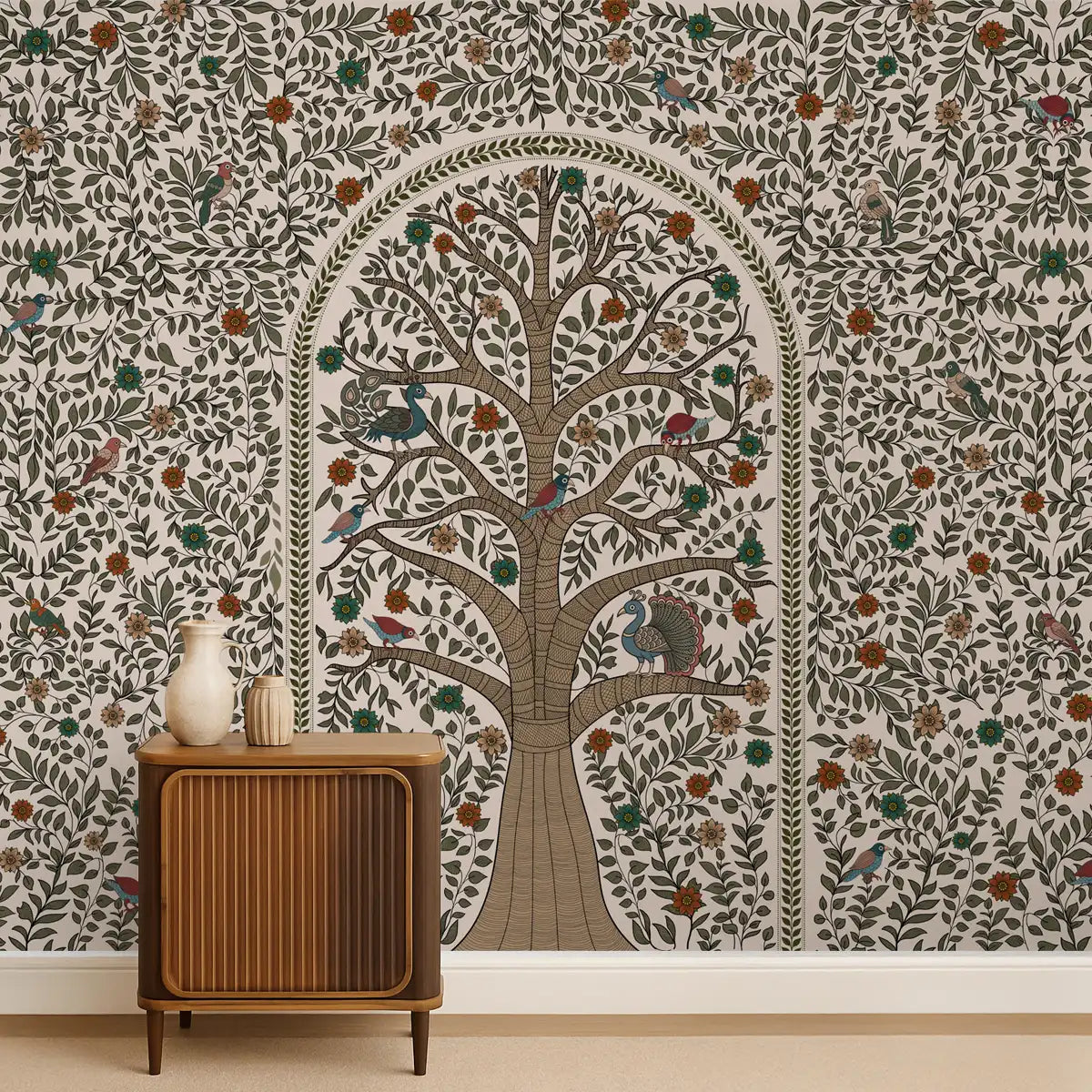
Tradition Reimagined: How Traditional Wallpaper Keeps Heritage Alive
India has always embedded design into daily life. Pattern was never an afterthought or surface embellishment. It shaped how spaces were built, entered, and un...
Read more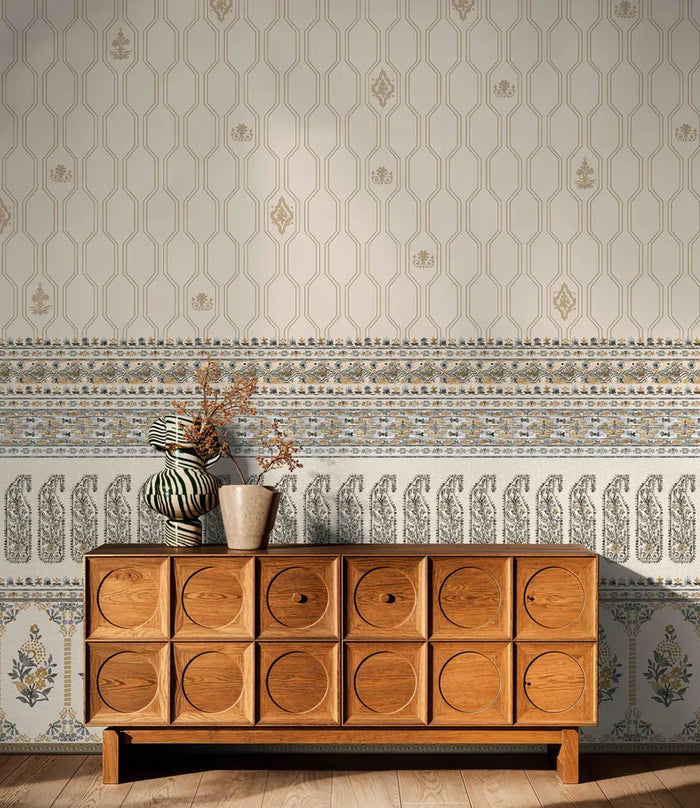
Sacred Symmetry: Indian Design and Geometric Wallpaper
In India, geometry was never ornamental by accident. It functioned as a system of order, measurement, and belief. Circles, triangles, grids, and lattices were...
Read more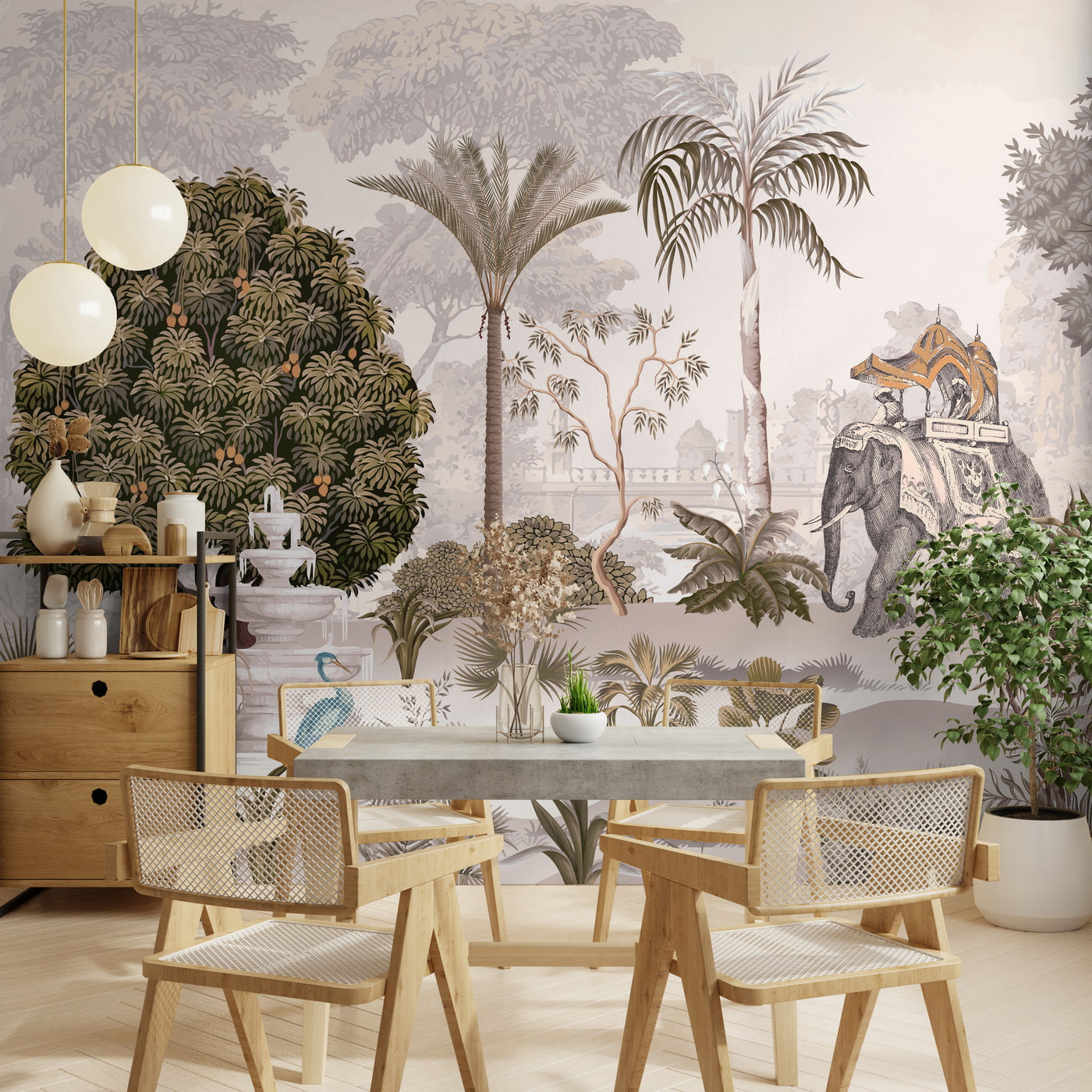
Bringing the Outdoors In: Forest Wallpaper and the Indian Imagination
In India, the forest has never been understood as empty land. It has functioned as shelter, school, spiritual site, and social margin. Long before cities defi...
Read more