





India's Golden Age is Here. Buy Accordingly.
How India’s cricket dominance signals a wider cultural moment.
India won the T20 World Cup yesterday. First team to win it thrice. First to win it at home. First to win back to back. Three ICC trophies in a row.
The stadium erupted. A billion people exhaled.
And somewhere in that moment — in the roar, in the blue jerseys lifting the trophy, in the diaspora watching from living rooms in London and New Jersey and Sydney — something else was being confirmed. Not just a cricket team. A civilisation arriving at its own front door, confident, unhurried, ready.
embedded in ritual and heritage has begun to enter global consciousness with its meaning intact.
Cricket and culture move together.
They always have. When the West Indies dominated world cricket in the 1970s and 80s, it wasn't just sport:
- it was identity
- pride
- a post-colonial statement
made in whites on a pitch. When cricket travels, culture travels with it. The food, the music, the textiles, the jewellery. The aesthetic.
India is now what the West Indies were then — except India has 1.4 billion people, the world's fastest-growing major economy, and five thousand years of craft tradition waiting to be discovered by the world.
That discovery of India is already underway. You can see it in the jhumka worn on red carpets in London and Los Angeles. In the brass Nataraja on sideboards in Copenhagen and Chicago. In the Pichwai hanging in an apartment in Paris, its gold lotus catching the afternoon light exactly as it was designed to do — in a Nathdwara temple, three centuries ago, as an offering to Krishna.

This is what BRAHM is for.
Not nostalgia. Not heritage tourism. A revival — *A Revival of the Signature Fine Arts of India* — for a world that is finally ready to receive it.

Every piece in the BRAHM collection carries the touch of its maker and the weight of Indian tradition passed down through generations.
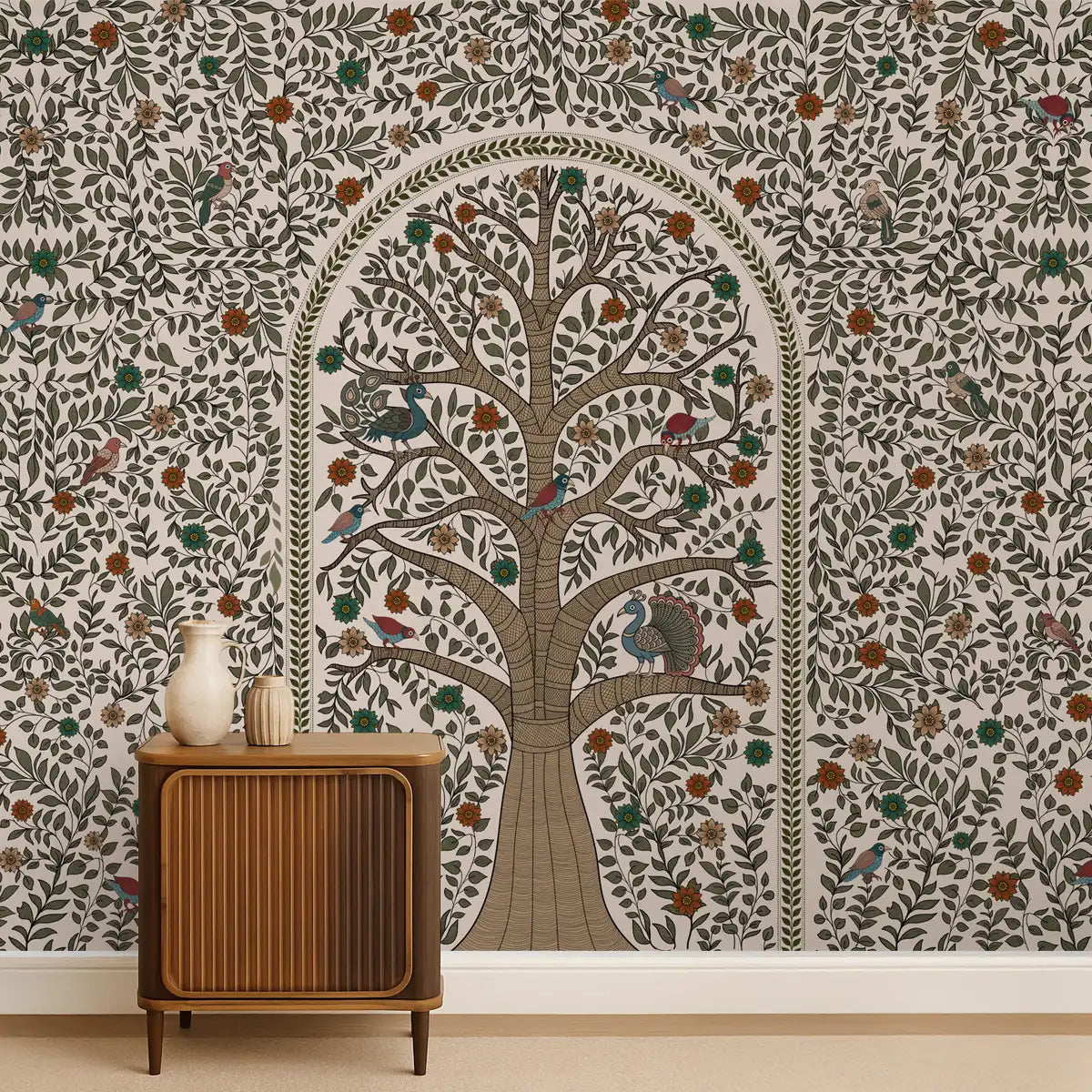
- Pichwai paintings on cotton and silk, their pigments laid by hand in the same ateliers that painted for temple sanctums.
- Tanjore paintings with 22kt gold leaf, a craft that flourished in the courts of South India.
- Madhubani paintings from Bihar.
- Gond art from Madhya Pradesh.
- Pattachitra from Orissa.
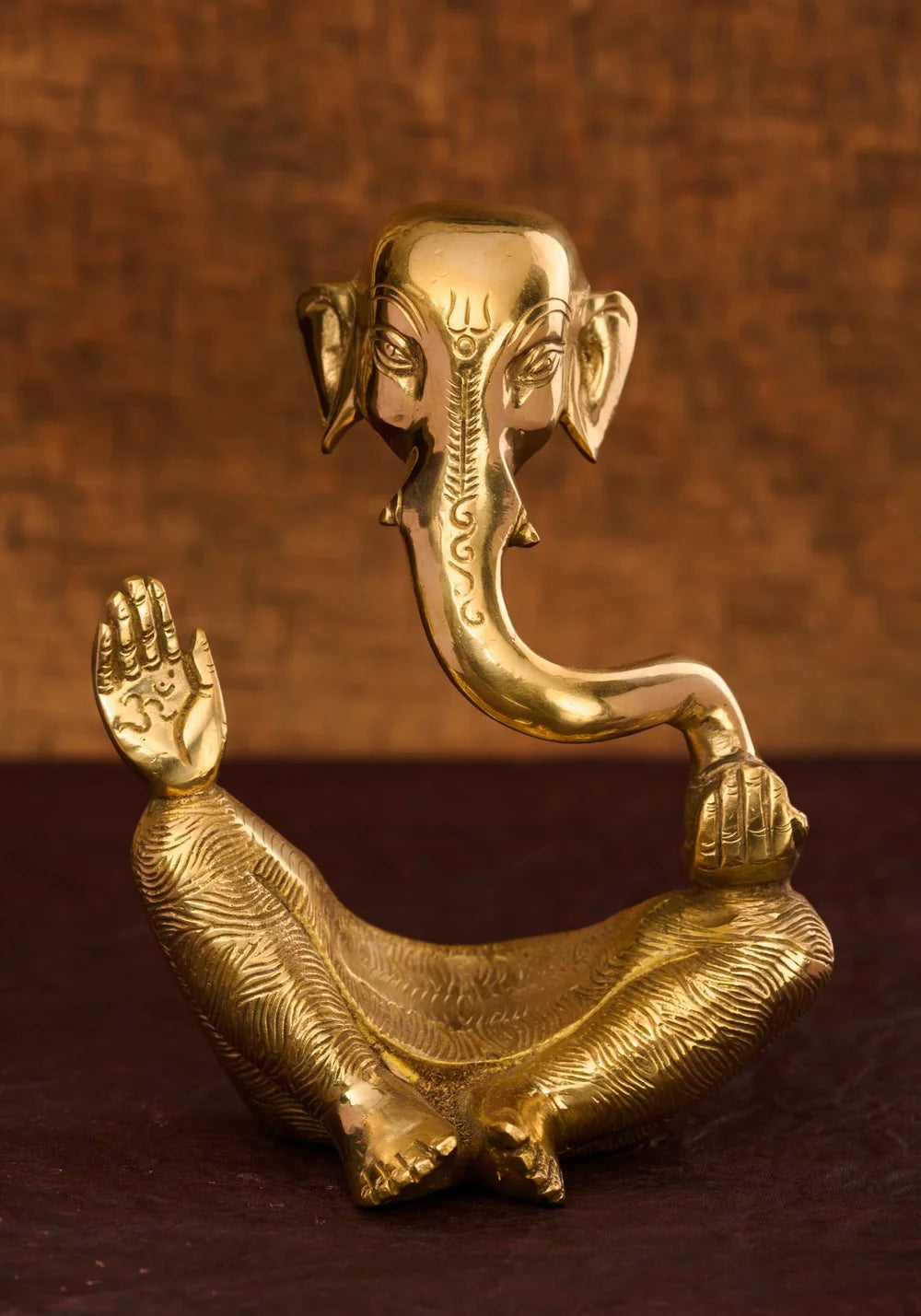
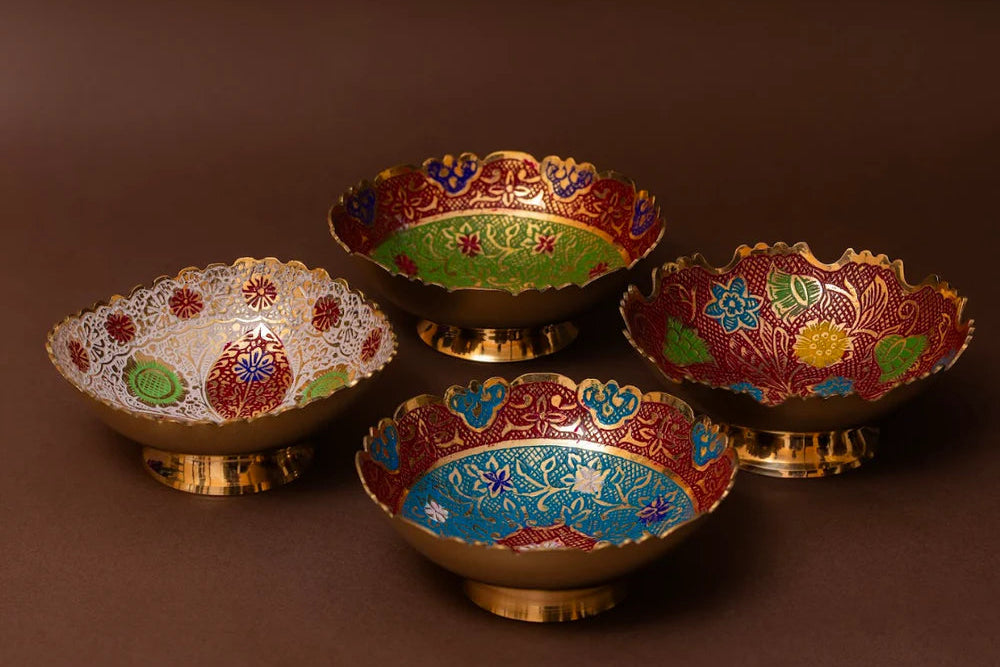
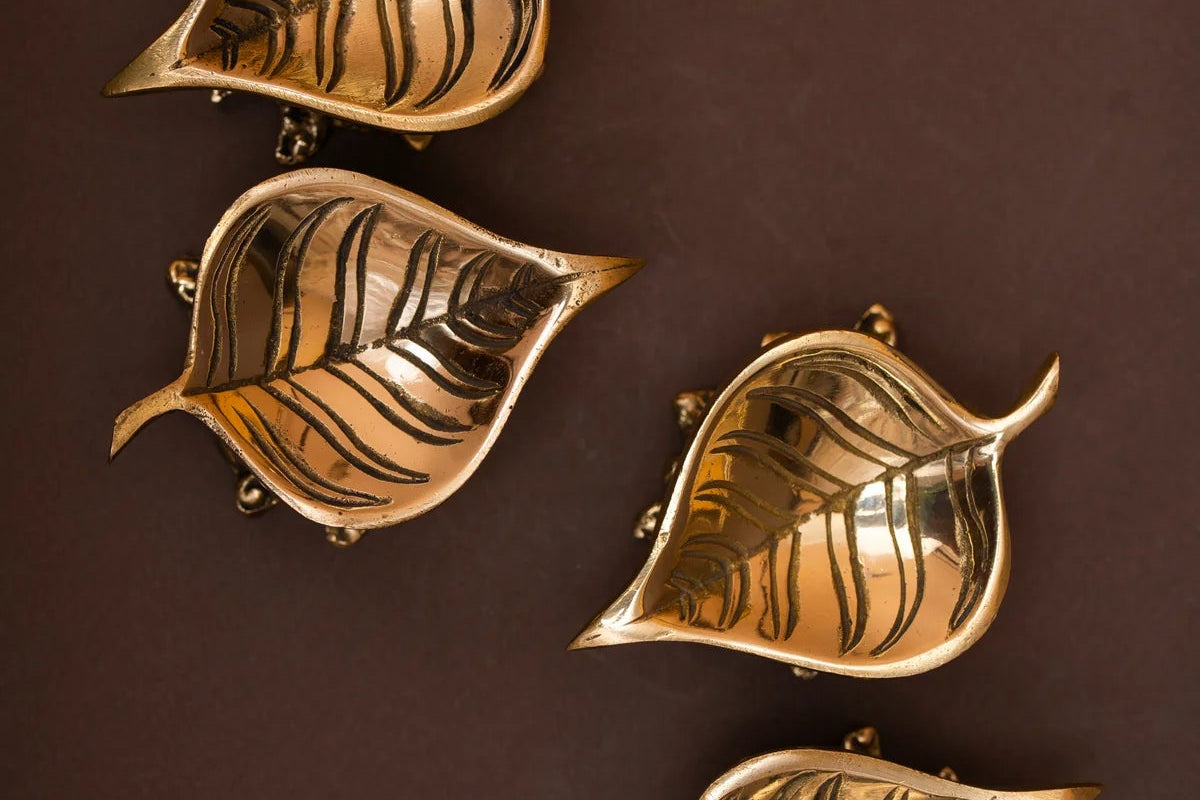
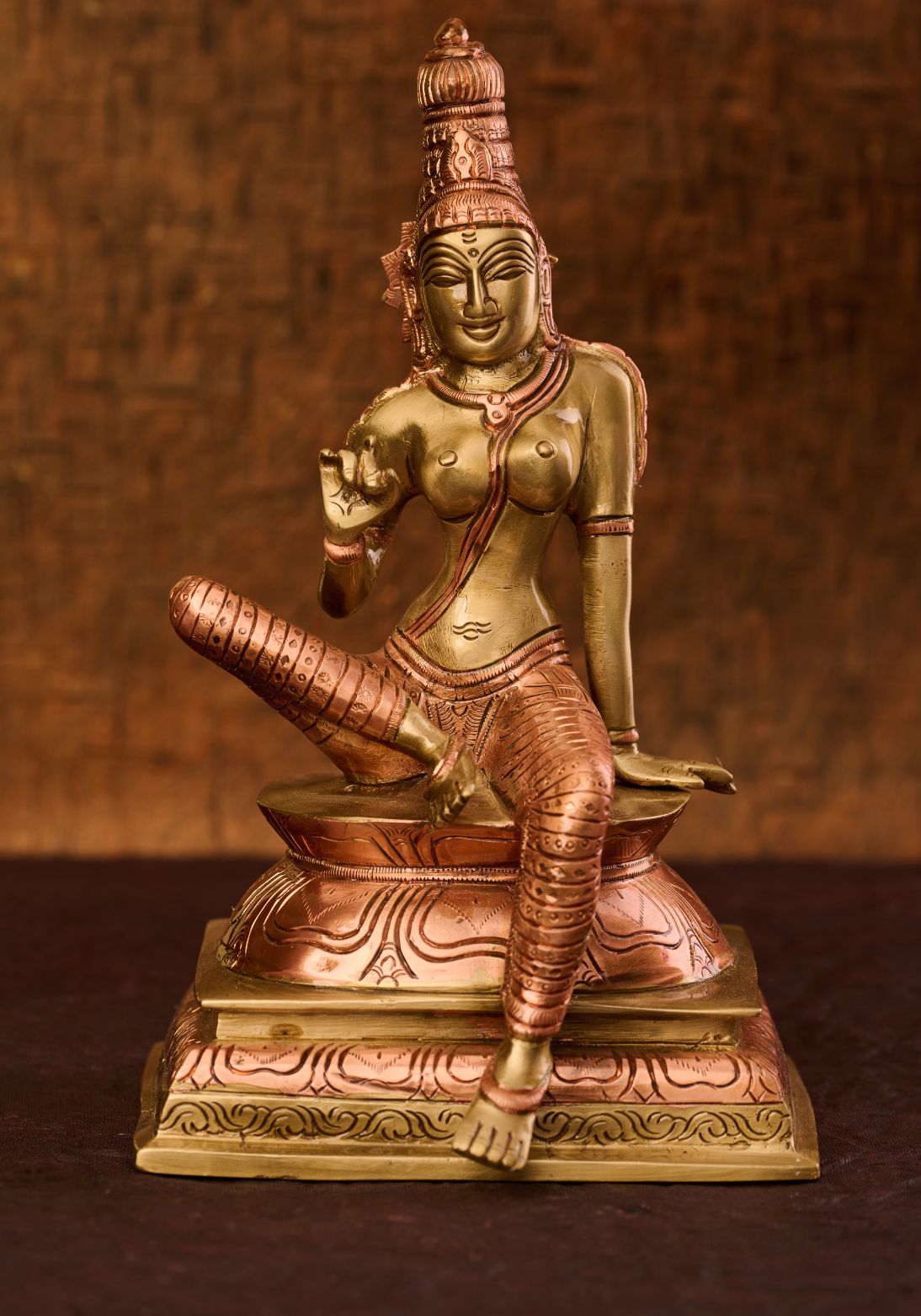
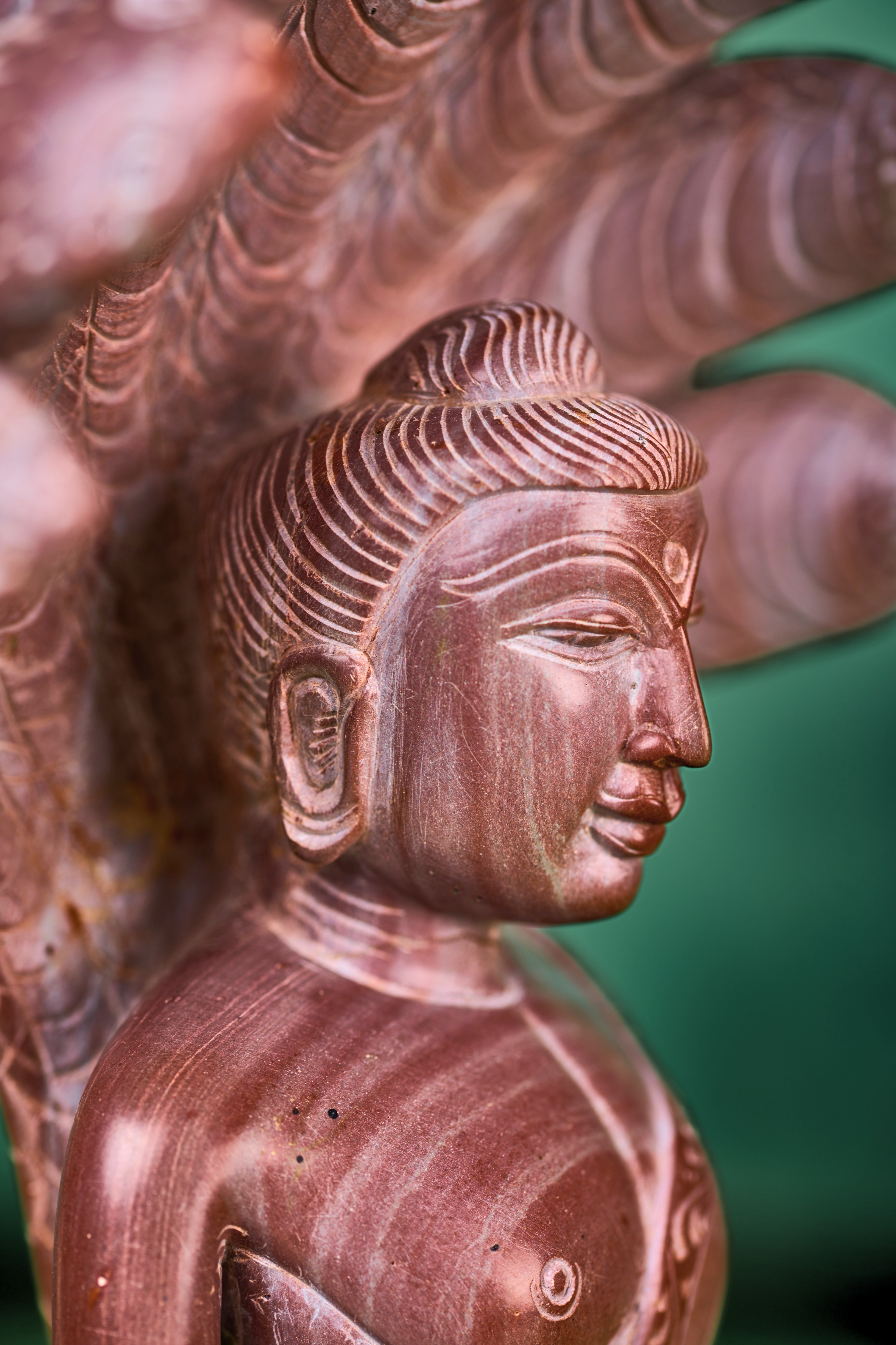
- Brass sculptures cast by artisans whose families have worked in the same medium for centuries. Handmade silk carpets.
- Jewellery — necklaces, earrings, bracelets — rooted in forms that predate the Mughal courts and have outlasted every empire that passed through.
Pan-Indian craftsmanship is under pressure from mechanisation and mass production. BRAHM finds and curates the best of what remains — and brings it from India, with free worldwide shipping, to homes that deserve it.
Japan did this. Korea did this.
- After its post-war recovery, Japan understood that cultural exports are the deepest form of national power. The aesthetic. The object. The thing you live alongside every day.
- Korean culture followed — music, film, design, beauty — a small peninsula that decided its traditions were worth sharing and then shared them so effectively that the world came looking.
India's moment is now. The cricket is the signal. The culture is the substance.
The team that wins three consecutive ICC trophies is not doing so by accident. It is the output of institutions built deliberately, of a country that decided to take itself seriously and then did. The same seriousness, the same institutional confidence, is what built the Pichwai tradition, the Tanjore tradition, the brass-casting traditions of Odisha and Tamil Nadu — and what BRAHM is carrying forward on behalf of India.
India's Golden Age is Here.
Whether your home is in Mumbai or Manhattan, Cambridge or California — this is the moment to bring India in. Not as a curiosity, but as the real thing.
Relive the moments that sealed India’s T20 World Cup triumph below.
What makes traditional Indian craftsmanship unique?
Many Indian crafts are passed down through generations of artisan families. Techniques, materials, and motifs often date back centuries, making each piece part of a long cultural lineage rather than a mass-produced product.
What kinds of pieces does BRAHM curate?
BRAHM curates fine Indian art across regions of the country, including Pichwai paintings, bone inlay furniture, brass sculptures, silk carpets, and traditional jewellery.
Can BRAHM pieces be shipped internationally?
Yes. BRAHM offers worldwide shipping, allowing collectors and homeowners anywhere in the world to bring authentic Indian craftsmanship into their homes.
Are BRAHM pieces handmade?
Yes. Every piece in the BRAHM collection is created by skilled artisans using traditional Indian techniques that have been preserved and refined over generations.
Many artisan traditions are under pressure from industrial production. Supporting handmade craft helps sustain these communities and ensures centuries-old artistic knowledge continues into the future.


Zach
I was born in Kuwait, raised between Paris and London, and now split life between Cambridge, Boston, and Chennai. I trained fast — a BA at 14, an MS at 18 — then built a career in trading and private equity before turning my eye to art and design. BRAHM is where I collect what matters: memory, beauty, and the everyday objects that carry both. I write to remember as much as to share, with my wife and my doggos keeping me anchored along the way.


Leave a comment
This site is protected by hCaptcha and the hCaptcha Privacy Policy and Terms of Service apply.